You might assume “dry clean only” is just a suggestion, especially if the item doesn’t look delicate. A blazer might feel sturdy, a skirt may look simple, or a dress might seem like it could handle a gentle cycle.
But the label isn’t always about how fragile the fabric feels in your hands. It’s often about what’s happening underneath the surface. That label is there to protect more than the fabric. It helps preserve how the garment fits, how it drapes, and how it holds its polished look over time. When you know what the tag is trying to prevent, you can avoid damage before it happens.
So what exactly does "dry clean only" mean? Read on to find out why some clothes need different treatment.
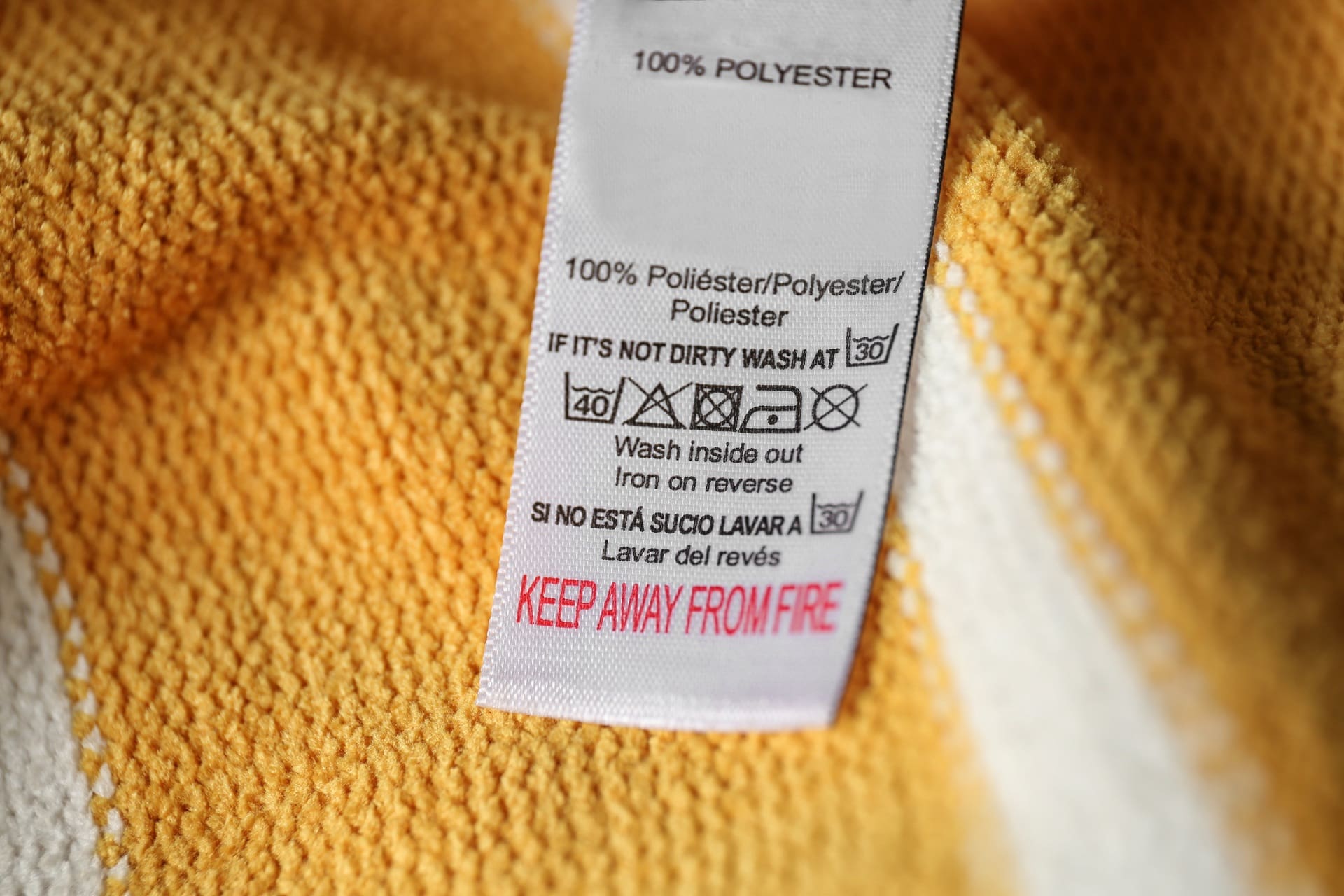
Some fabrics look sturdy on the rack but behave very differently once water gets involved. What feels soft, smooth, or structured when dry can quickly lose its shape, texture, or strength in a home wash.
That’s why care labels matter. They’re based on how a fabric reacts at the fiber level, not how durable it seems to the touch. Understanding this is the first step in trusting why dry cleaning is often the safer option.
Dry cleaning avoids water altogether, keeping these delicate fibers stable and helping your clothes look the way they were designed to look, wear after wear.
Not all clothing damage starts with fabric. Sometimes, it starts with what’s hidden inside the garment. Linings, padding, and internal structure are often just as sensitive as the outer material, even if you can’t see them.
When these elements are exposed to water, they can shift, bubble, or break down completely. That’s why many well-made garments rely on dry cleaning to hold their shape over time.
Not all clothing damage starts with fabric. Sometimes, it starts with what’s hidden inside the garment. Linings, padding, and internal structure are often just as sensitive as the outer material, even if you can’t see them.
When these elements are exposed to water, they can shift, bubble, or break down completely. That’s why many well-made garments rely on dry cleaning to hold their shape over time.
This is why knowing which clothes can be dry cleaned goes beyond fabric type. Dry cleaning protects the entire garment, not just what you see on the surface.
This is why knowing which clothes can be dry cleaned goes beyond fabric type. Dry cleaning protects the entire garment, not just what you see on the surface.
Color is one of the first things people notice when a garment is damaged. Many dyes appear stable but react poorly during washing. Some are set using methods that hold up beautifully in dry cleaning, but react unpredictably in a home wash. Once color damage happens, there’s rarely a fix.
This is especially common in deep reds, navies, blacks, and jewel tones, as well as color-blocked or patterned pieces. Even cold water and gentle cycles can trigger dye movement.
Dry cleaning uses solvents that clean without saturating the fibers, which helps dyes stay locked in place. That’s why care labels exist, to protect color integrity before it’s lost for good.
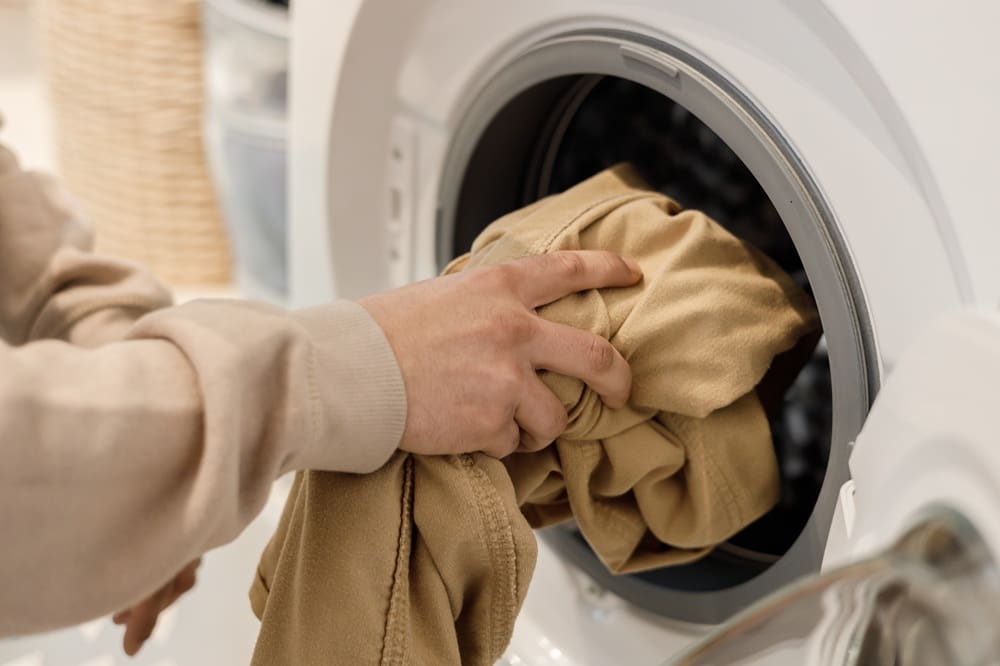
Fit depends on how fibers behave, not just how a garment is sewn. Water can relax fibers in ways that permanently alter that balance. Once this happens, the original shape often doesn’t come back, no matter how carefully you dry or press it.
This is why a dress might suddenly cling in the wrong places, or a jacket might feel tight across the shoulders. Dry cleaning avoids fiber swelling, helping clothes keep the fit they were designed to have. That’s a big reason certain garments are labeled “dry clean only”.
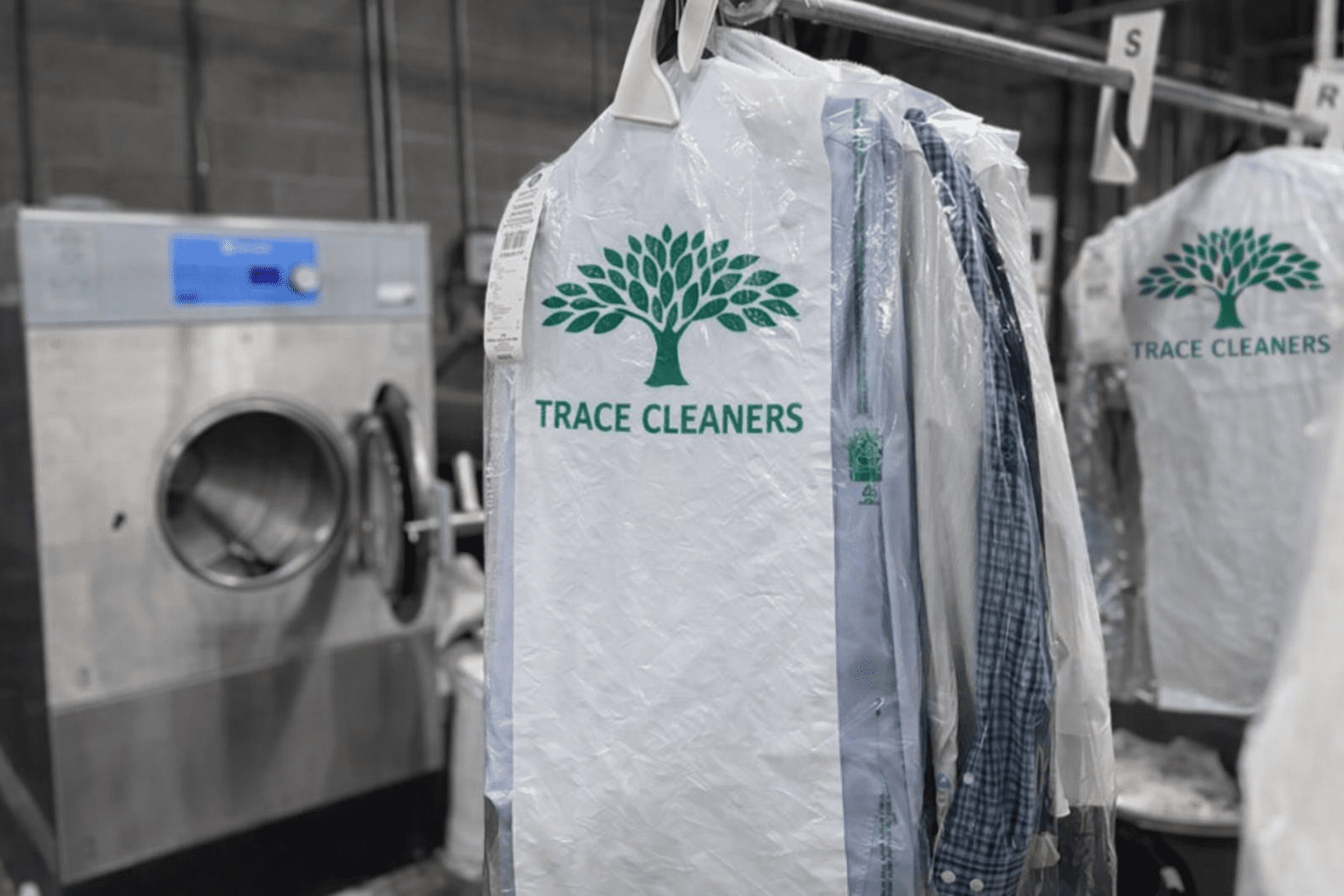
At its simplest, dry cleaning cleans clothes without soaking them in water. Instead of detergents, it uses specialized solvents that gently dissolve oils, dirt, and residue while keeping fibers stable. This controlled process is what makes it ideal for delicate fabrics and structured garments.
For garments that rely on construction, color stability, and fabric integrity, that control makes all the difference. Understanding which clothes can be dry cleaned helps you see that the label isn’t a warning; it’s a safeguard designed to keep your clothes looking right, wear after wear.
One wrong wash can permanently change the way a garment looks, fits, or feels. And when a label says “dry clean only,” it’s warning you to slow down and choose the safer path. Trace Cleaners makes that choice easy by delivering reliable, professional garment care backed by decades of experience and attention to detail.
As a family-owned business serving the community since 1994, we treat every item with the same care and respect we give our own clothes. With SMRT tracking technology and FREE Pickup and Delivery Service, getting expert dry cleaning no longer adds another task to your day.
Call +1 601-533-5804, email tracecleaners@comcast.net, or schedule your FREE Pickup and Delivery Service today, and enjoy peace of mind knowing your clothes are in trusted hands.