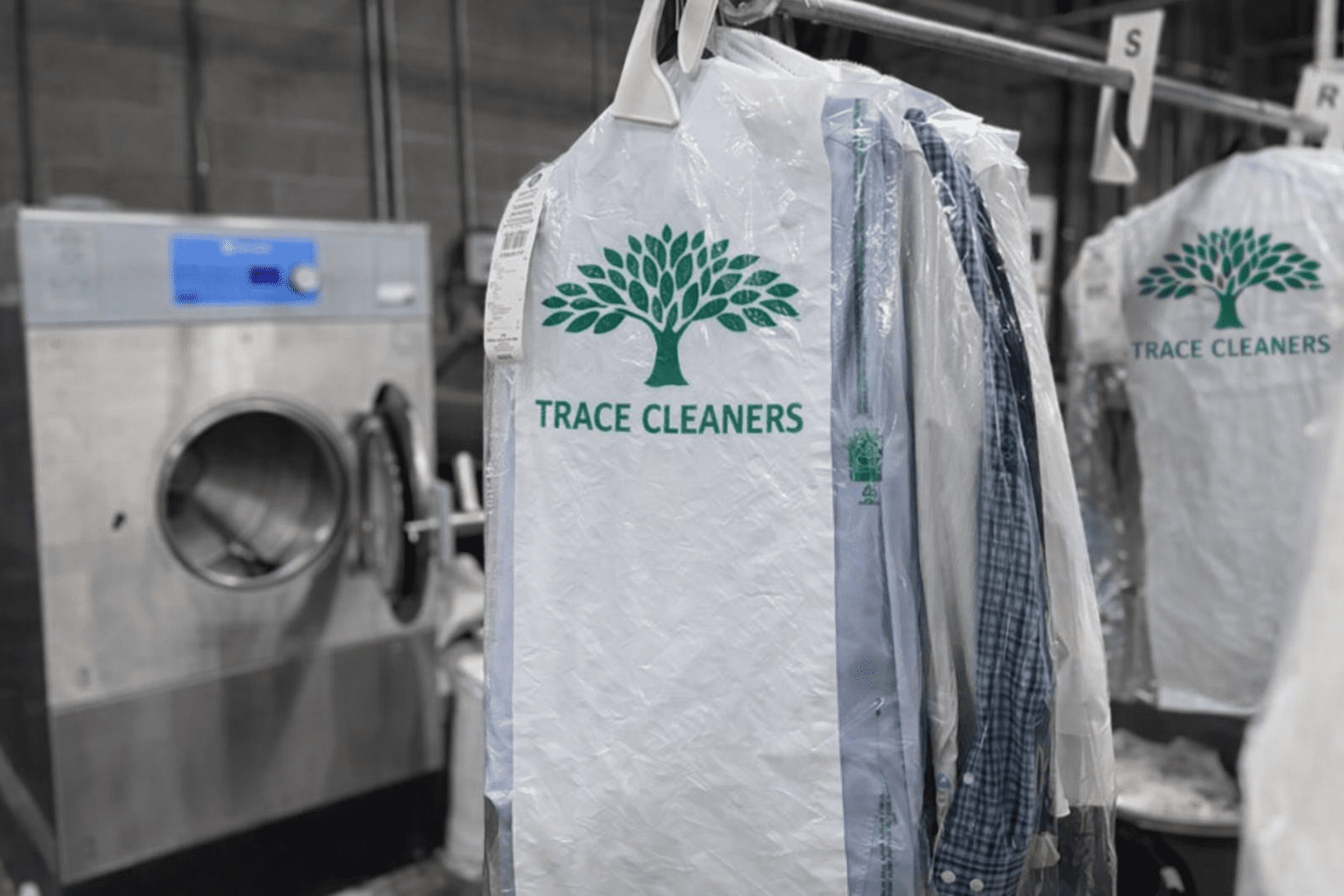
You probably notice it the moment you remove your garment from the protective cover. The fabric feels smoother, the lines look sharper, and the piece seems almost renewed. It’s a subtle but unmistakable difference. That result comes from a professional cleaning and finishing process most customers never see.
Dry cleaning isn’t just about removing stains. It involves pretreatment, solvent-based cleaning, professional pressing tailored to the fabric, and a detailed inspection before the item is cleared for pickup.
Here’s how the steps of cleaning, pressing, and inspection come together to deliver the polished results you expect from professional dry cleaning.
Every professional dry cleaning process begins with careful garment tagging and a detailed initial inspection. A technician checks your garment for stains, loose threads, missing buttons, or any existing damage before it moves forward.
They read the fabric label to determine whether your item needs standard dry cleaning, delicate care, or special handling. Pockets are emptied, and trims or structured details are noted to make sure everything stays protected.
Professionals follow a consistent review process to prevent mistakes and protect your clothing. Rather than rushing items into machines, they document garment conditions and cleaning requirements with precision.
Key elements typically include:
This structured intake process reflects professionalism, promotes transparency, and builds trust from the moment your garment arrives. Tagging and inspection protect both your clothing and your peace of mind by creating a clear plan for safe cleaning.
Once the inspection is complete, the next stage of dry cleaning focuses on pretreatment and stain targeting. A technician examines each mark on your clothing to determine whether it’s oil-based, water-based, or protein-based, because each type requires a specific solution.
They apply the appropriate spotting treatment directly to the stained area before your item goes into the machine. This improves the chances of full stain removal and prevents the discoloration from settling deeper into the fabric.
Effective stain removal depends on matching the proper solution to the specific problem. Professionals avoid guesswork by following a disciplined approach.
The practical process typically involves:
Some stains come out easily during solvent cleaning, while others need extra preparation to loosen completely. Fabrics such as silk and rayon are carefully tested to ensure their color and texture remain protected. It may seem like a simple step, but proper pretreatment makes a noticeable difference in how your garment looks when the process is complete.
After pretreatment, your garments move into the main part of the dry cleaning process: the cleaning cycle. They go into large, computer-controlled machines that look like front-loading washers, but instead of water, they use a liquid solvent.
The machine gently moves your clothing while circulating the solvent through the fabric to lift dirt and oils. This allows the garments to be thoroughly cleaned without shrinkage or fiber swelling water can cause.
The cleaning system functions as a closed-loop environment designed for efficiency and fabric safety.
Here is how the cycle typically unfolds:
Gentle, controlled movement helps protect seams and linings, while the filtration system clears out dirt and residue before the solvent is reused. Because the machine operates as a closed-loop system, it reduces waste and keeps cleaning results consistent. This part of the dry cleaning process does the heavy lifting, cleaning your clothes thoroughly while keeping the structure of the fabric intact.
After the cleaning cycle finishes, your garments still contain a small amount of solvent and move into the drying stage. The dry cleaning process uses carefully controlled heat to gently remove that remaining solvent.
Unlike home dryers that rely on high heat to dry water-soaked clothes, dry cleaning machines use lower temperatures to protect the strength and shape of the fabric. This helps prevent shrinkage and keeps tailored pieces looking structured and well-fitted.
Professional drying focuses on balance: enough warmth to remove solvent, but never so much that it stresses the fabric.
Key drying considerations include:
The machine captures and reuses solvent vapors, keeping the system efficient and contained. Since water never soaks into the fibers, your garments hold their original size and shape, especially structured pieces such as suits and formalwear. This drying stage wraps up the cleaning process while helping your clothing keep its proper fit and form.
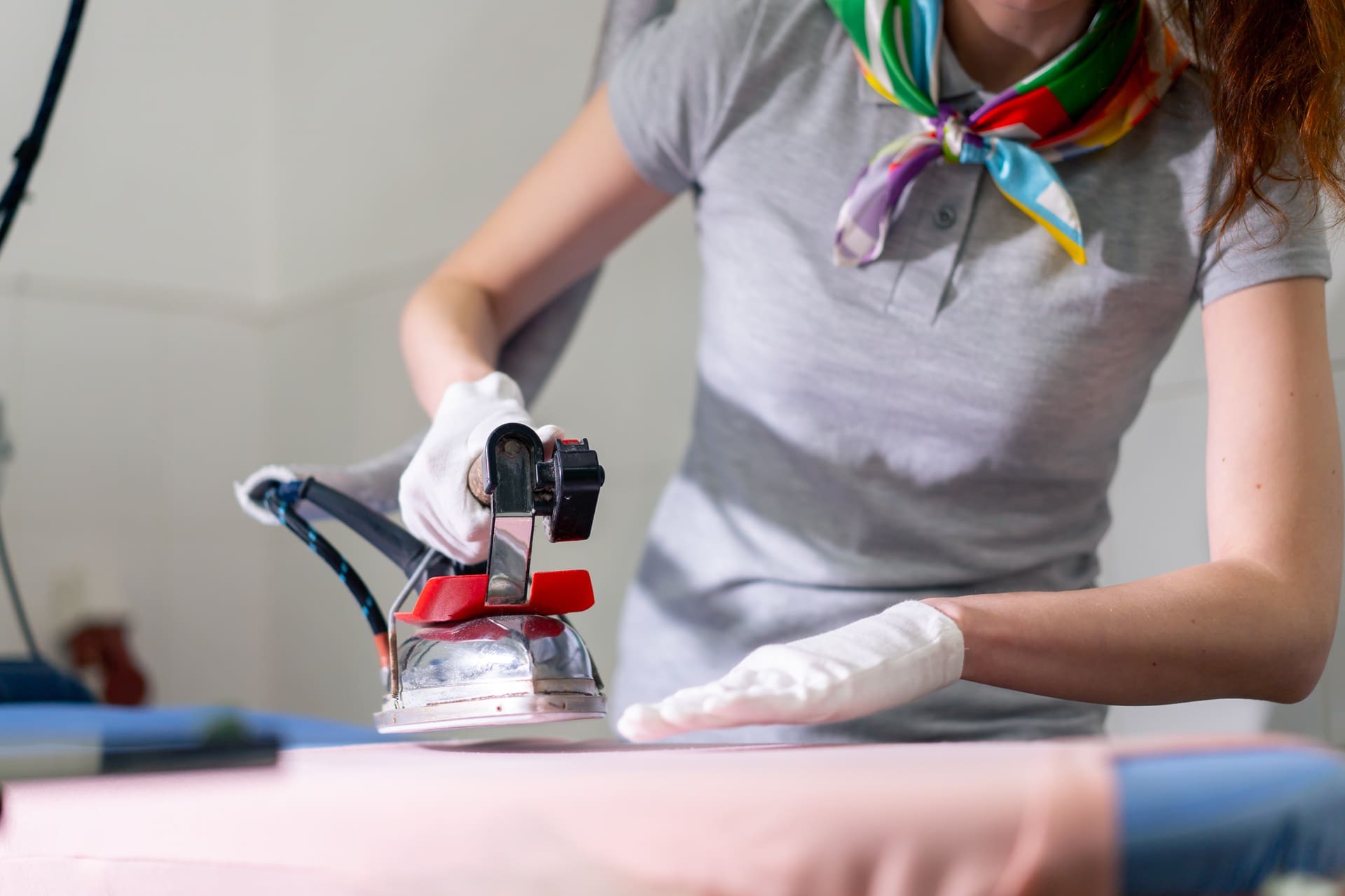
Cleaning by itself isn’t enough to make your garment look sharp again. Pressing and reshaping are key parts of the dry cleaning process that restores everything to its original form. Technicians use professional equipment to smooth the fabric, refine edges, and rebuild the structure of the garment. They carefully shape lapels, reset pleats, straighten sleeves, and restore crisp creases so your clothing looks the way it was designed to appear.
Pressing requires technical skill and knowledge of garments. Professionals adjust pressure, steam, and positioning depending on fabric type and construction.
Common finishing practices include:
Structured garments require extra attention to keep linings, shoulder pads, and inner layers precisely in place. Technicians often handle delicate areas by hand to protect the texture and small details of the fabric. This careful reshaping is what makes your clean garments look polished and ready to wear.
Before your garment is returned to you, it goes through one final quality check. Technicians take another look at treated areas to make sure stains are fully removed and no residue is left behind. They check buttons, zippers, hems, and seams to ensure everything is secure and in good condition. The garment is then packaged carefully to protect it during storage and transport.
This inspection follows a deliberate review system to prevent oversights.
Professionals typically confirm:
If a technician spots any issue, the garment goes back for correction rather than being sent out unfinished. This extra step helps keep the quality consistent and ensures your item meets professional standards before you pick it up.

At Trace Cleaners, we deliver premium dry cleaning and laundry services designed for the pieces you care about most. From tailored suits and delicate fabrics to everyday workwear, our process restores freshness while helping garments maintain their fit and finish.
We proudly serve Northeast Jackson, Fondren, Ridgeland, Madison, and Gluckstadt, Mississippi, with dependable care and convenient, FREE Pickup and Delivery Service options.
Enjoy a closet filled with clothes that look sharp and feel comfortable. Contact us to schedule your FREE Pickup and Delivery Service.
📞 Call us at +1 601-533-5804
✉️ Email us at tracecleaners@comcast.net