Wash your gym clothes with a couple of towels because it felt efficient, and pull everything out only to find your black leggings covered in fuzz that definitely wasn't there when they went in. Efficient laundry day, unexpected result.
Towels are rarely an innocent bystander in situations like this. They shed heavily during the wash, and that fiber has to land somewhere, usually on whatever synthetic, dark, or static-prone item happens to share the same water. Here's exactly why that combination goes wrong so reliably.
Towels, bath mats, and fleece are built to shed; that's what makes them soft. The looser weave that gives them their texture also means the individual fibers aren't held as tightly in place as they are in a tighter weave like the fibers used for a dress shirt or a pair of dress pants. Agitation knocks loose fibers free, and they never make it down the drain. Instead, they circulate through the wash water and land on whatever's nearby, especially dark or synthetic fabric.
Synthetic and static-prone fabrics keep attracting fiber even after the wash ends. Dryer friction builds a static charge that pulls stray fiber out of the air and onto the garment, like a magnet, and that charge only gets stronger as the fabric dries out and loses whatever moisture was helping to ground it.
A black synthetic shirt dried next to a towel comes out dusted; a cotton shirt in the same load barely shows anything. The synthetic shirt didn't create the lint; it just held onto it, and it held onto it specifically because of how that fabric interacts with static, not because of anything wrong with the shirt itself.
A washing machine rinses loosened fiber out with the wash water, but only if clothes have room to move. Overpack the drum, and water channels through gaps instead of the whole load. The fiber has nowhere to go, so it stays trapped against the fabric and gets pressed in as clothes dry, essentially getting ironed onto the surface rather than washed away with everything else.
A quick check: Reach into a running machine and see if you can move the clothes. If nothing shifts, water can't rinse the load properly. As a rule, keep the drum no more than three-quarters full; front-loaders need even more room since they clean by tumbling, not submersion, which means there's even less margin for a packed drum to work with before circulation starts to suffer.
A load with no towels, no fleece, and no obvious lint source can still come out covered in fiber. That's because the machine itself is holding onto residue from previous loads and releasing it into new loads, quietly acting as its own hidden source completely separate from whatever you actually put into it that day.
Fiber and residue collect in predictable spots: the door gasket's folds, the detergent drawer, and the drain filter or pump, especially on high-efficiency machines that use less water and therefore rinse those hidden areas less aggressively than older, water-heavy models. Any of these can release trapped fiber into the next wash, which is why a load with no towels or fleece can still come out coated.
The lint trap catches a lot, but not everything. It only collects fiber that becomes airborne and pulls through the airflow toward the vent. Fiber already clinging to a fabric's surface through static or weave texture never goes airborne, so it rides straight through and stays put, riding out the entire cycle on the garment instead of ever reaching the trap.
Static is strongest in a dry environment, which is exactly what a dryer becomes as the cycle progresses. As the load dries out, static charge builds, and any loose fiber already on a garment's surface gets held there more tightly, not less. That's part of why lint often looks worse right at the end of the dry cycle than it did when the clothes went in wet, since the drying process itself actively works to hold fiber in place rather than shake it loose.
If you've been searching for how to avoid lint on clothes in washing machine loads specifically, prevention stops being about brushing it off once you know where lint actually starts, and starts being about cutting it off at the source.
Set a recurring reminder once a month to run that empty hot cycle. It takes less effort than a normal load, and it's the single step most people skip, which is exactly why machine buildup is such a common, invisible source of lint. A clean machine can only pass on what's actually in the load in front of it.
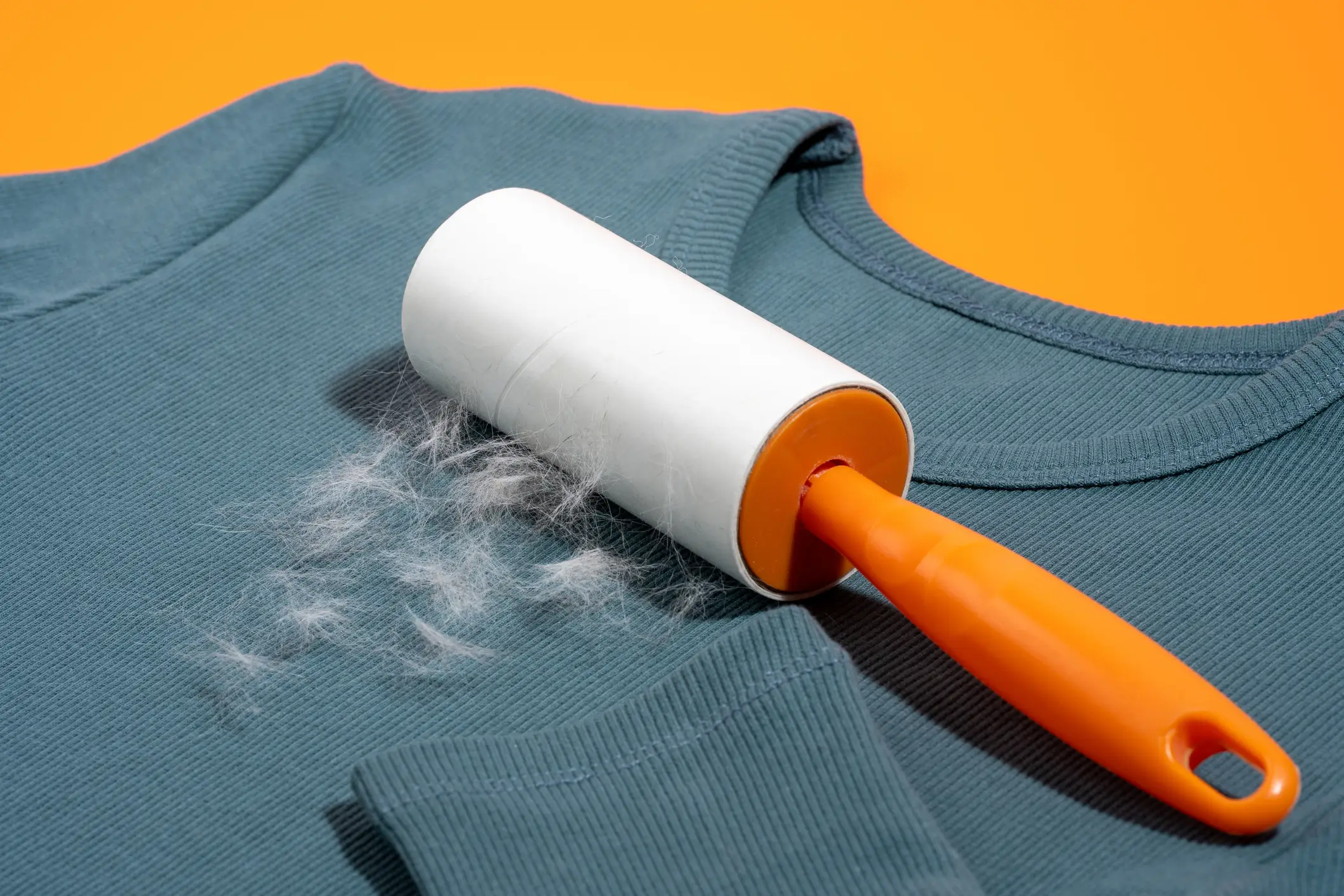
You can follow every laundry step correctly and still find lint clinging to your clothes after the dryer stops. When buildup inside the machine contributes to the problem, another pass with a lint roller only addresses what you can see, not what may be causing it.
At Trace Cleaners, our Fluff and Fold Laundry Service takes the entire process off your hands. We use professionally maintained equipment and a consistent cleaning process to wash, dry, and neatly fold your everyday clothes and home essentials, so you can skip troubleshooting the washer or dryer at home.
If you’re in Madison, Mississippi, and looking for Wash and Fold Laundry Service near you, schedule FREE Pickup and Delivery Service with Trace Cleaners. Send us the laundry and get one more recurring chore off your already busy week.
Address: 398 US-51, Ste. 200, Ridgeland, MS, 39157
Phone: +1 601-533-5804
Email: tracecleaners@comcast.net